5 Common Causes of Hydraulic Cylinder Leaks
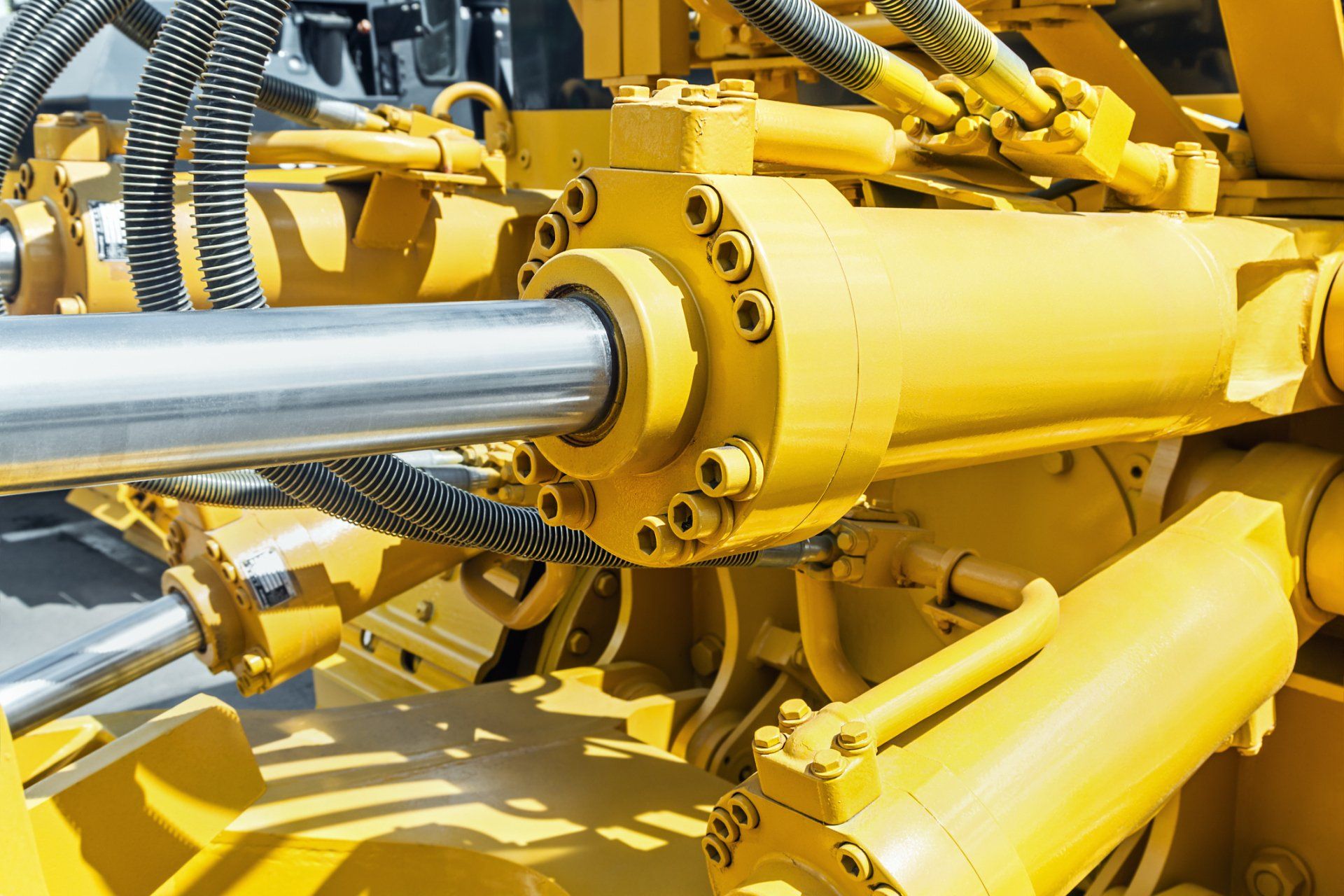
Hydraulic cylinders convert fluid pressure into powerful linear motion, enabling heavy lifting, pushing, and precise control in machinery. They are widely used in construction, manufacturing, agriculture, and transportation equipment, providing strength, reliability, and efficiency for tasks that require consistent force and smooth mechanical operation.
When a hydraulic cylinder is leaking, it can put a wrench in the works. Here are five common causes of hydraulic cylinder leaks:
1. Worn or Damaged Seals
Seals are designed to contain pressurized fluid while allowing smooth piston movement. Over time, they degrade due to heat, friction, and chemical exposure. Even minor imperfections in a seal can allow hydraulic fluid to escape.
Common contributors include:
- Normal wear from continuous operation
- Exposure to extreme temperatures
- Fluid contamination causing abrasion
- Incorrect seal material for the application
Once seals lose elasticity or develop cracks, leakage becomes almost inevitable.
2. Scored or Pitted Cylinder Rod
The rod surface must be smooth and free of defects for seals to function correctly. When a rod is scratched, dented, or corroded, it creates pathways that allow fluid to bypass the seal.
Rod damage often results from:
- Dirt or grit entering the system
- Improper storage or handling
- Exposure to moisture and corrosive environments
- Mechanical impact during operation
Even microscopic imperfections can cause persistent leaks because seals are designed to work against a perfectly smooth surface.
3. Contaminated Hydraulic Fluid
Hydraulic systems rely on clean fluid to function correctly. When contaminants such as dust, metal shavings, or water enter the system, they act as abrasives within the cylinder. This damages seals and internal surfaces, accelerating wear and increasing the likelihood of leaks.
Contamination can cause:
- Premature seal failure
- Increased internal friction
- Corrosion of metal components
- Reduced system efficiency
In many cases, a leaking cylinder is a symptom of a larger contamination issue elsewhere in the system.
4. Excessive System Pressure
Hydraulic cylinders are built to operate within specific pressure ranges. When pressure exceeds those limits—whether due to system misconfiguration or load changes—it places additional stress on seals and internal components.
High pressure can lead to:
- Seal extrusion or blowout
- Deformation of internal parts
- Cracking of cylinder housings
- Catastrophic leakage
Repeated pressure spikes are especially harmful because they weaken seals gradually before failure becomes visible.
5. Misalignment or Side Loading
Hydraulic cylinders are designed to move in a straight line. When they are installed incorrectly or subjected to uneven forces, side loading occurs. This puts abnormal stress on the rod and seals, increasing friction and wear.
Misalignment may result from:
- Poor mounting geometry
- Structural frame movement
- Worn bearings or joints
- Improper load distribution
Over time, this leads to uneven seal wear and distorted components, both of which contribute to leakage.
Why These Leaks Matter
Hydraulic leaks are more than just messy. They can compromise safety, reduce machine precision, and raise operating costs. A slow leak may seem minor at first, but it often points to internal damage that worsens if left unaddressed. In high-pressure systems, even a slight loss of fluid can lead to unstable or unpredictable operation.
From an operational standpoint, leaks also affect efficiency. Systems must work harder to maintain pressure, increasing energy consumption and accelerating component fatigue.
The Bigger Picture
Most hydraulic cylinder leaks don’t stem from a single failure. Instead, they develop from a combination of wear, contamination, and mechanical stress. Recognizing the root cause helps distinguish between surface-level problems and signs of deeper system issues.
By understanding these common causes—worn seals, rod damage, contaminated fluid, excessive pressure, and misalignment—you can better assess the impact of a leak on your equipment. In many cases, the leak itself is just the visible symptom of internal strain or environmental exposure.
Hydraulic cylinders are designed for durability, but like all precision components, they depend on proper conditions to perform reliably. Knowing why leaks happen makes it easier to take informed action when they appear—and to appreciate just how critical these components are to modern machinery.
Do You Manage Hydraulic Systems in Chicago, Northern ILLINOIS & Indiana?
If you manage hydraulic systems in Chicago, Kankakee, Joliet, IL, or Merrillville, IN, contact Miller Hydraulic. We’re locally owned, and we’ve been repairing and rebuilding hydraulic systems in Central and Northern Illinois and Northwest Indiana since 1991. We offer same-day emergency service for most types of hydraulic systems. Entrust your systems to the experts at Miller Hydraulic. We started small and have grown to be one of the most trusted hydraulic repair and rebuilding companies in the area.


