Double-Acting Cylinder Repair in Manteno, IL
Proudly Serving Northern Illinois & Indiana Since 1991
Professional Double-Acting Cylinder Repair
A double-acting cylinder uses hydraulic pressure to power both extension and retraction through two separate ports, which is why it's the standard choice for excavators, loaders, and most industrial or mobile equipment that needs controlled movement in both directions. When one starts losing power, leaking, or moving unevenly, the cause is usually a worn seal, damaged rod, or internal leakage past the piston, similar to a single-acting cylinder, but with twice the ports and seals to inspect. Miller Hydraulic has repaired double-acting cylinders across construction, agriculture, manufacturing, and transportation since 1991, and we know a piece of downed equipment costs real money every hour it sits.
Fully Inspected & Serviced for Two-Direction Movement
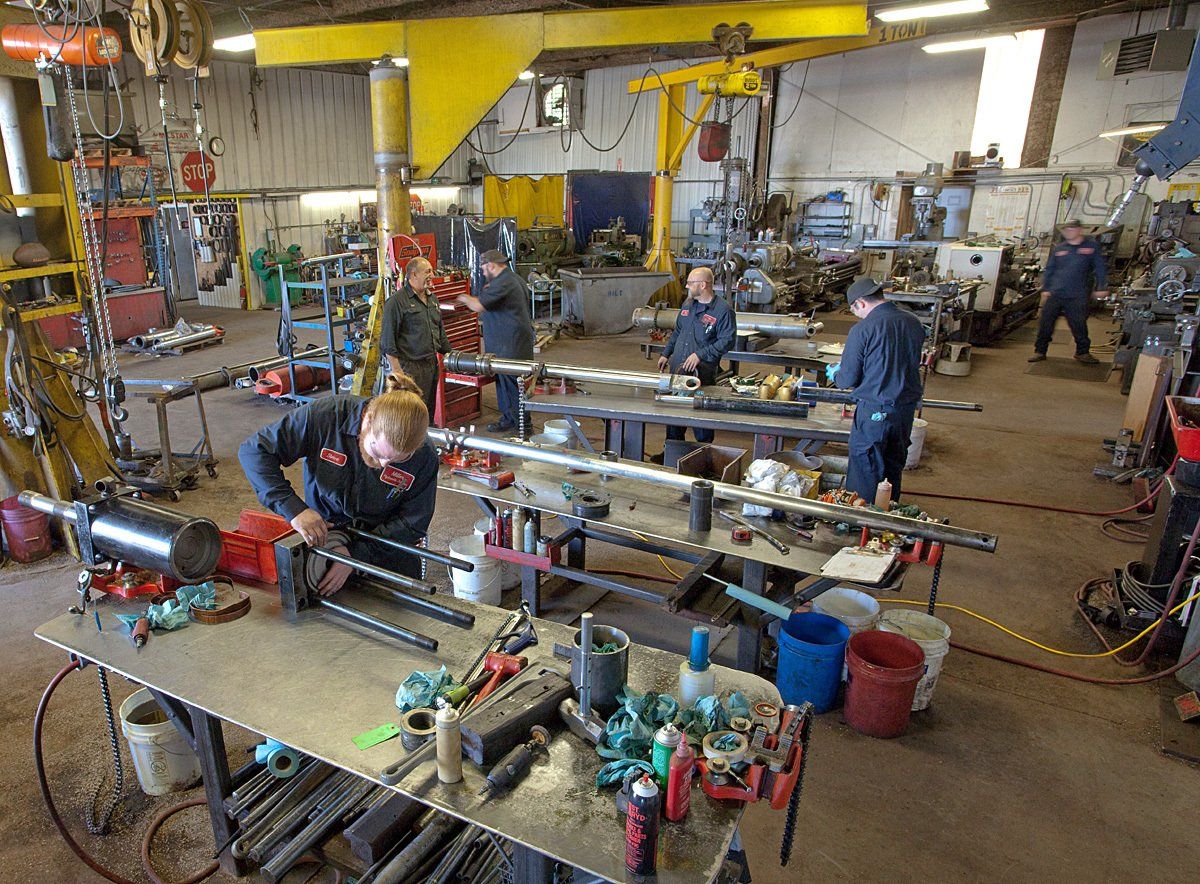
A double-acting cylinder is built with a pressure port on each side of the piston, so hydraulic fluid can push it in either direction rather than relying on gravity or a spring for the return stroke like a single-acting cylinder does. That means there's a full set of seals and a port to inspect on both the rod side and the piston side, not just one. Miller Hydraulic fully inspects both sides of a double-acting cylinder before recommending a repair, rebuild, or replacement, so any issues on the other side are identified before the work is completed.
Fast Double-Acting Cylinder Repair in Northern Illinois & Indiana
Don't let a failing double-acting cylinder stall your operation. Miller Hydraulic has provided fast, reliable repairs throughout Northern Illinois and Northwest Indiana since 1991, and our 24/7 emergency line means help is available even outside normal business hours. Contact us today for a free estimate.
Double-Acting Cylinder FAQs
What Causes a Double-Acting Cylinder to Lose Power in One Direction?
Since a double-acting cylinder uses a separate port for each direction, a loss of power in only one direction usually points to a seal or valve issue isolated to that specific side, rather than a problem with the entire cylinder. A technician can pressure-test each side individually to confirm which one needs attention.
Is a Double-Acting Cylinder More Expensive to Repair Than a Single-Acting One?
Often, yes, since there are two ports and two sets of seals to inspect instead of one. That said, the final cost still comes down to the specific damage found, and plenty of double-acting repairs cost about the same as a single-acting job.
Can a Double-Acting Cylinder Be Rebuilt Instead of Replaced?
In most cases, yes. Rebuilding restores full function at a lower cost than replacement unless the bore or rod is damaged beyond safe repair, and an inspection will tell you which situation you're in.
How Do I Know If a Leak Is Coming From the Rod Seal or the Piston Seal?
A leak at the rod end, where the rod exits the cylinder, usually points to a worn rod seal, while fluid bypassing internally without an external leak often points to the piston seal. Both are common failure points on a double-acting cylinder specifically, since pressure is applied against both sides of the piston.


