Hydraulic Problems That Shut Down Recycling Equipment
Hydraulic leaks, pressure loss, overheating, and contaminated oil can stop recycling equipment and disrupt the flow of material through your operation. A compactor that cannot complete its stroke or a baler that struggles to compress material creates a backlog while incoming loads keep arriving. Recognizing the symptoms early helps you arrange service before declining performance becomes a longer shutdown.
If equipment develops a pressurized leak, unexpected movement, or another unsafe condition, stop operation according to your facility’s procedures. Before servicing or clearing a jam, trained and authorized personnel must follow the machine-specific lockout/tagout procedure, including controlling stored hydraulic and mechanical energy. An emergency-stop button alone does not make the machine safe to service.
Hydraulic Hose Leaks & Fluid Loss
Hydraulic hose, fitting, and seal failures can interrupt the fluid supply your recycling equipment needs to operate. A sudden hose failure may stop a compactor immediately, while a smaller leak can develop into repeated fluid loss and declining performance. Oil around a cylinder or beneath a power unit deserves attention even if the machine still completes its cycle.
Warning signs worth reporting include:
- Fresh oil beneath the machine or around hydraulic connections
- Visible hose abrasion, cracking, or bulging
- Repeated low-fluid warnings or an unexplained need for topping off
- Slower movement accompanied by leakage
- New noises or jerky movement during a cycle
These observations help establish what changed, but they do not identify the failed component by themselves. Never use your hands to search for a pressurized leak or tighten a connection while the system is pressurized. Have the equipment assessed so damaged hoses can be replaced and leaking fittings or seals addressed appropriately. Repeatedly adding oil leaves the underlying fault unresolved.
Weak Compression & Hydraulic Cylinder Problems
Weak compression can result from hydraulic pressure problems, pump wear, valve faults, or internal cylinder leakage. If your cardboard baler struggles to compress cartons, takes longer to cycle, or develops a cylinder leak, cardboard baler hydraulic repair can address the underlying hydraulic problem. Testing helps determine whether the work calls for cylinder rebuilding, pump service, or hose replacement. Changes in bale density alone do not identify the cause, since material loads and operating conditions also affect the result.
Similar symptoms can affect other recycling equipment. A compactor may hesitate or stop before completing its normal stroke. A hydraulic scrap shear may move slowly or struggle during a cut. Mechanical obstructions, material beyond the machine’s capacity, and worn cutting components can also affect performance, so these symptoms should prompt diagnosis rather than an automatic hydraulic repair.
Pressure and flow testing help a technician evaluate the hydraulic system, while cylinder inspection can establish whether seals or other parts need attention. Report whether the problem appeared gradually, followed a repair, or started with a different material load. Do not increase relief-valve settings to compensate for weak performance. Adjustments must follow the equipment manufacturer’s specifications and be performed by qualified personnel.
Hydraulic Overheating & Fluid Contamination
Hydraulic overheating can reduce equipment performance and accelerate component wear. If your compactor starts normally but becomes sluggish as it runs, temperature is an important diagnostic clue. Possible causes include unsuitable fluid viscosity, restricted flow, cooling problems, and excessive internal leakage. Letting the machine cool and restarting it may temporarily hide the symptom without resolving the cause.
Contamination can create related problems. Dirt, wear particles, and moisture can interfere with valves, damage components, and affect filtration. Milky-looking oil may indicate water or air, but appearance alone cannot establish the fluid’s condition. Qualified inspection and fluid analysis, when appropriate, provide a better basis for deciding what work is needed.
Air mixed into the oil, known as aeration, can contribute to foaming, noise, and erratic movement. Air may enter through a pump’s suction-side leak or be drawn in when reservoir conditions are unsuitable. Cavitation is a different problem associated with excessively low pressure at the pump inlet. Both can cause noise and damage, but they require diagnosis rather than being treated as the same fault. Report these symptoms and follow the manufacturer’s fluid and filter requirements instead of assuming that topping off the reservoir will solve the problem.
Control Faults That Resemble Hydraulic Failure
A baler or compactor that will not move does not necessarily have a failed hydraulic pump or cylinder. Electrical controls, door interlocks, sensors, and pressure switches can prevent or interrupt a cycle. A stuck hydraulic valve can also keep the ram from moving or returning normally.
Many balers use an electric motor to drive the hydraulic pump. Hearing that motor run does not prove that the pump is delivering the required flow or that the controls are directing it correctly. Likewise, a stationary ram does not establish which component needs replacement. Proper diagnosis considers the hydraulic system alongside the machine’s operating sequence.
Record any displayed fault message and describe where the cycle stopped. Do not bypass a door switch, defeat a guard, repeatedly reset a fault, or enter the chamber to investigate. Electrical and safety-control work requires appropriately qualified service personnel. Miller Hydraulic can evaluate the hydraulic side without assuming every shutdown has a hydraulic cause.
What to Do When Recycling Equipment Stops
A controlled response to a recycling equipment shutdown helps protect your crew and gives the service technician useful information. Follow your facility’s procedures rather than improvising a repair to clear the material backlog.
- Stop operation and control access. Notify the responsible supervisor and keep people clear of the affected machine. Before servicing or jam clearing, have authorized personnel isolate hazardous energy and verify the machine is safe under its specific procedure.
- Record existing observations. Note the equipment make and model, fault messages, affected movement, and whether the issue appeared suddenly or developed during the shift. Use information already available without restarting the machine or approaching a hazard to collect more.
- Arrange qualified diagnosis. Provide the symptoms, service history, site location, and access requirements. Pressure and flow testing, leak detection, and component inspection can help determine whether the work involves hose replacement, cylinder rebuilding, pump service, or another repair.
After the immediate problem is resolved, review maintenance needs with your service team. Manufacturer-directed hose inspections, fluid and filter service, and attention to recurring leaks can help reduce repeat interruptions. The relevant components and hydraulic functions should also be checked before the equipment returns to normal production.
Get 24/7 Hydraulic Support for Your Recycling Equipment in Chicagoland, Central Illinois and Northwest Indiana
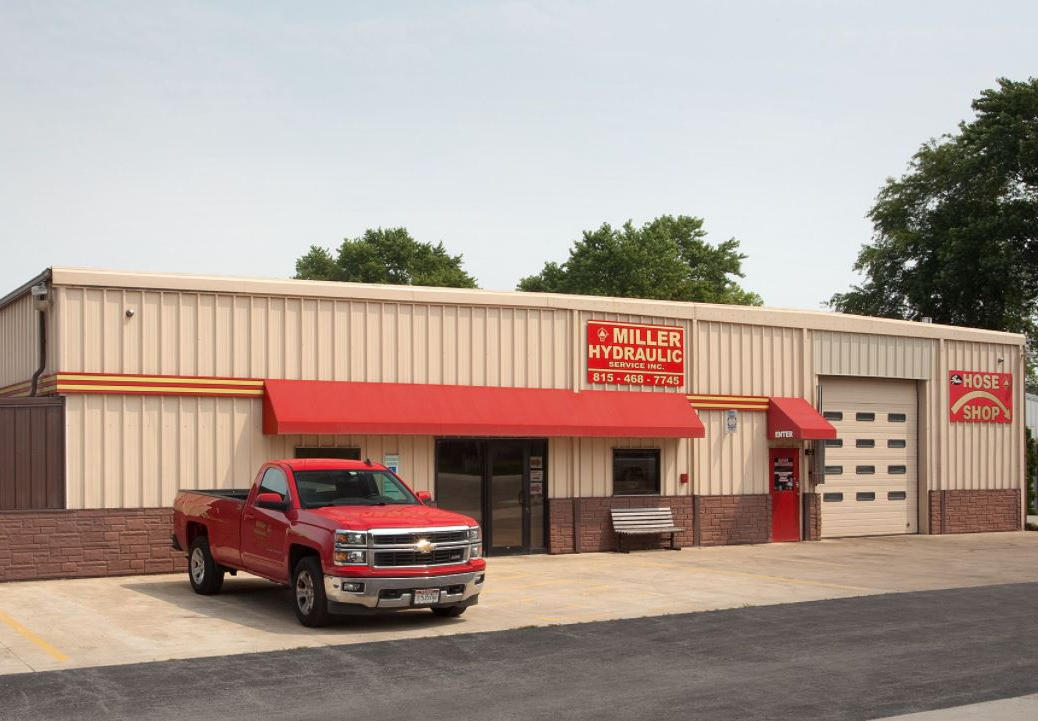
Miller Hydraulic provides recycling equipment hydraulic repair throughout Chicagoland, Central Illinois, and Northwest Indiana, including Chicago, Hammond, Bolingbrook, and Champaign. Our team services the hydraulic systems on balers, compactors, and shears, with diagnostics, component rebuilding, and hydraulic hose replacement available through fully stocked mobile service trucks and our Manteno shop.
We have supported industrial hydraulic systems since 1991 and offer 24/7 emergency service for unexpected breakdowns. Contact our team for a free estimate or reach our emergency line when a hydraulic problem interrupts your recycling operation.


