When One Blows, Do You Replace Both? The Twin-Hose Rule for Backhoes and Excavators
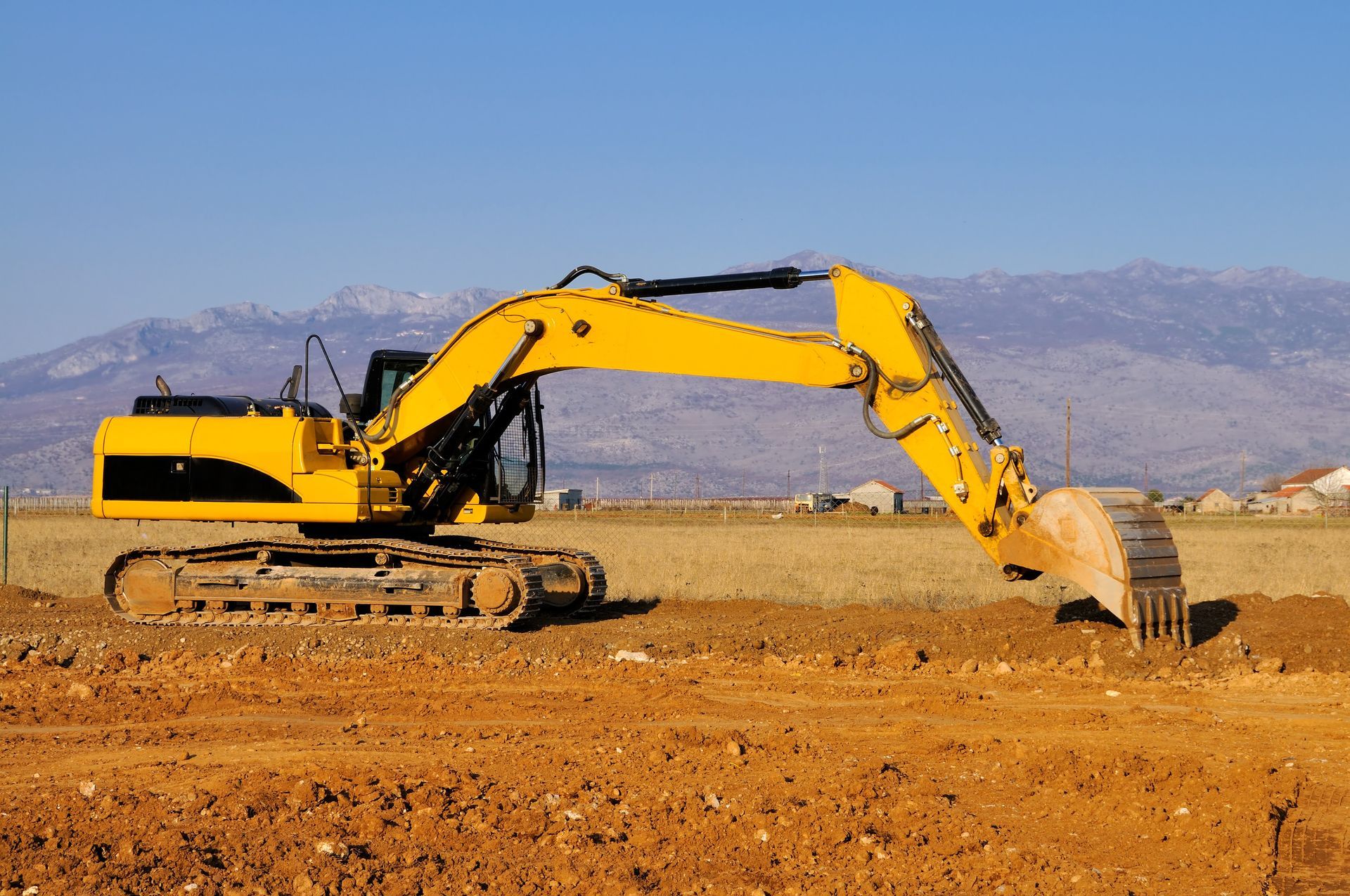
When a high-pressure hydraulic hose blows on a dual-acting cylinder, replace its matching twin at the same time. Companion hoses on a backhoe or excavator run through the identical duty cycles, pressures, and weather conditions, so if one has already failed, the other is usually just days away from doing the same thing. Hydraulic hoses typically last 5 to 10 years, but that lifespan gets cut short by the same handful of causes on both hoses at once: overpressure, external abrasion, temperature swings, and chemical exposure. If those conditions were severe enough to blow one hose, the hose sitting right next to it has been absorbing the same abuse the entire time. For contractors running backhoes and excavators throughout Illinois and Indiana, that second failure rarely happens at a convenient time, and a hydraulic hose blowing mid-job means the machine sits idle until someone can get to it.
Why Dual Replacement Saves Money
Replacing both hoses in the same service call costs less in the long run than waiting for the second failure. A few reasons why:
- Identical Wear Cycles: If a boom hose on your excavator dry-rots and bursts, the hose beside it has experienced the exact same structural degradation under the same pressures and vibration. That wear puts strain on your cylinders too, which is part of why it's worth understanding when to choose a hydraulic cylinder repair over a rebuild.
- Halving Your Downtime: Tearing down assemblies, draining fluid, and purging air out of the lines takes real time and labor, whether it's one hose or two. Doing both hoses in one visit means your crew and your equipment aren't sidelined again a few days later for the exact same job, doubling the labor and the downtime for a failure you could see coming.
- System Pressure Balance: Installing a rigid new hose next to an old, stretched one can throw off fluid dynamics, causing twisting and unnecessary crowding inside the hose trays. Replacing both at once restores the balance the system was originally designed around, instead of leaving one side of the pair working harder than the other.
Even when only one hose actually bursts, the other one deserves a real inspection before it goes back into service. Look for visible cracks, bulges, or abrasions along its length, any sign of a slow leak at the fittings, or unusual noises when the system is running under load. A hose showing any of those signs is telling you the same thing the one that just failed already did, and it's far cheaper to replace it now, in the same service visit, than to wait for it to blow on its own in a few days or weeks. Our technicians check the surviving hose against these same signs as a standard part of any dual-hose service call, rather than assuming it's fine just because it hasn't failed yet.
Safe De-Energization Steps Before Swapping Both Hoses
Before any hose comes off, the equipment needs to be safely de-energized. Follow these three steps in order:
- Lower the Attachments. Rest the boom or bucket completely flat on the ground, removing any stored mechanical energy from the system.
- Shut Down the Engine. Turn off the engine and remove the key so nothing can engage unexpectedly while you're working.
- Release the Pressure. Cycle the control levers in every direction until all machine movement stops completely, since a pressurized line can cause serious injury even with the engine off.
Only once all three steps are complete is it safe to disconnect and replace both hoses.
Let Our Technicians Handle It For You
Don't get stuck doing the same repair twice. Reach out to Miller Hydraulic for fast, dual-hose assembly replacement to keep your equipment balanced and productive in Champaign, IL, Bolingbrook, IL, and surrounding areas.
Twin-Hose Replacement FAQs
Why Do Dual-Acting Cylinder Hoses Fail at the Same Time?
Both hoses experience identical working pressures, bending frequencies, and UV exposure, which means the structural wire braiding inside each one degrades at essentially the same rate. A failure in one is a strong signal the other is close behind, even if it hasn't shown obvious symptoms yet.
Does a Blown Hydraulic Hose Damage the Cylinder?
It can. A sudden pressure drop can cause the cylinder rod to drop rapidly or allow dirt and debris into what should be a sealed circuit, which is exactly the kind of contamination that leads to a bigger, more expensive repair down the line if it isn't caught quickly.
How Long Do Hydraulic Hoses Actually Last?
Most hydraulic hoses hold up for 5 to 10 years, but usage, pressure, temperature, and environmental conditions all affect that timeline. Regular inspection is what catches wear before it turns into a failure on the job, which matters most on equipment that runs daily.
Keep Your Fleet Running Across Illinois and Indiana
Miller Hydraulic provides fast, dual-hose replacement throughout Illinois and Indiana, including Bolingbrook, Champaign, Chicago, and Hammond. Serving the area since 1991, our technicians have the experience to handle hydraulic hose issues in our shop or on-site, depending on what works best for your equipment and the job at hand. Contact us today for emergency hydraulic hose service.


