What to Do When Heavy Equipment Loses Hydraulic Power on the Job
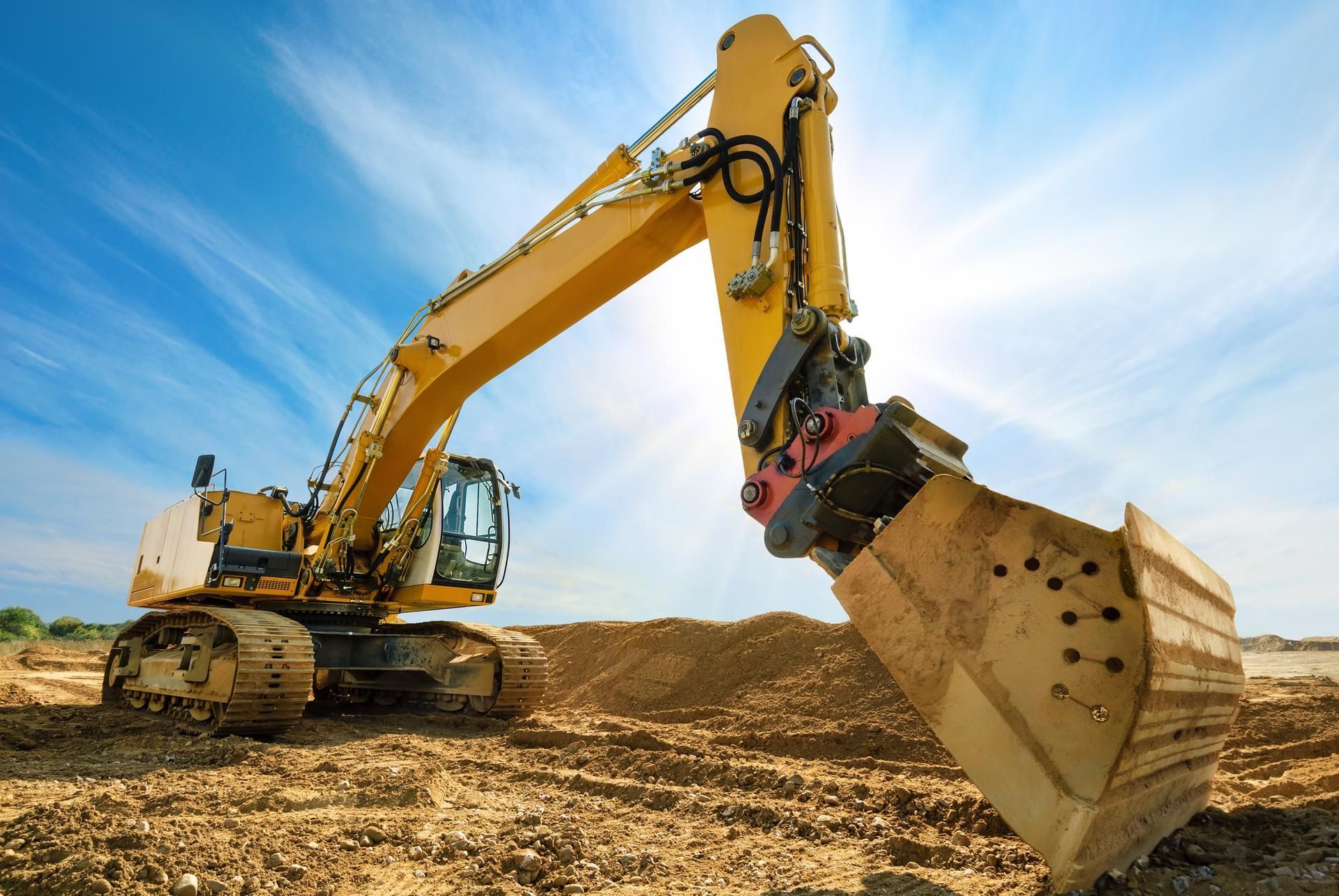
Losing hydraulic power in heavy equipment can halt work, create safety hazards, and threaten timelines. Rapid, informed action protects personnel and assets while diagnostics and repairs proceed. This guide explains immediate safety steps, common causes with diagnostic priorities, when to call a professional for repair, and how to manage the jobsite impact.
What Immediate Safety Steps Should You Take When Hydraulic Power Is Lost?
Stop the machine safely and secure it to prevent unintended movement. Lower loads to stable positions if possible, and apply parking brakes or locks. Evacuate personnel from the danger zone and tag the equipment out of service. Ensure spill containment measures are in place if fluid leakage is visible, and notify site supervisors and the safety officer so proper incident logging and response procedures can begin.
What Are the Most Likely Causes of a Hydraulic Power Loss?
Hydraulic power loss usually stems from a few key areas: depleted or contaminated hydraulic fluid, failed hydraulic pumps or motors, blocked or ruptured hoses and fittings, malfunctioning control valves, or electrical/control system failures impacting pumps and actuators.
Environmental factors such as extreme temperatures and debris ingestion also accelerate component wear. Prioritizing system-wide fluid and pressure integrity checks helps quickly narrow down causes.
How Should You Prioritize Diagnostics and Initial Inspections?
- Check the machine display/error codes and record any fault messages for technicians.
- Visually inspect for leaks, damaged hoses, broken fittings, or low fluid levels.
- Confirm power source status: battery charge, alternator output, and engine operation.
- Observe pump noise and vibration from a safe distance—abnormal sounds suggest mechanical failure.
- Verify filter indicators and, if equipped, fluid contamination alarms.
- Isolate sections of the hydraulic circuit (when safe and possible) to determine whether the issue is localized or systemic.
- Document all findings, photographs, and timestamps to support maintenance teams and warranty claims.
When Should You Contact Professional Service?
Contact a qualified hydraulic repair service immediately if the issue involves major components such as pumps, internal valve blocks, cylinder failure, suspected system-wide contamination, electrical control faults, or any condition that could lead to further damage or safety risks.
A professional hydraulic technician can quickly diagnose the issue, identify failing components, and recommend the correct repairs to restore performance. Prompt service helps reduce downtime, prevent secondary damage, and avoid unnecessary repair costs from trial-and-error fixes.
How Do You Manage Jobsite Operations and Costs While Equipment Is Down?
Reassign tasks and redistribute workloads to minimize schedule impacts. Use contingency equipment or rentals if the repair timeline is prolonged. Keep stakeholders informed with concise status updates and anticipated repair windows. Track costs, parts orders, and labor estimates to evaluate repair versus replacement decisions. Good documentation supports insurance or warranty claims and helps avoid repeated failures through improved maintenance scheduling.
How Can Preventive Practices Reduce Future Hydraulic Failures?
Regular fluid analysis, scheduled filter changes, and adherence to manufacturer service intervals detect contamination and wear before catastrophic power loss. Proper operator training on warm-up/shutdown procedures and avoiding overload conditions preserves hydraulic components. If tempted, avoid informal or improvised repairs—well-intentioned DIY attempts can introduce contamination, miss crucial diagnostics, and lead to larger failures and higher repair bills. Relying on certified maintenance and documented service records delivers the best long-term reliability and resale value.
Act Quickly, Document Thoroughly, and Use Experts
When hydraulic power fails, prioritize safety, perform structured diagnostics, document everything, and call qualified technicians for repairs. Proactive communication and contingency planning keep projects moving while protecting workers and equipment.
Is Your Heavy Equipment Losing Hydraulic Power in Illinois or Indiana?
If you manage heavy equipment in
Chicago,
Joliet,
Naperville, IL, or
Hammond, IN, and the
hydraulic systems are losing power or behaving erratically,
contact Miller Hydraulic. We have been servicing the hydraulic systems of heavy equipment owners and managers in Illinois and Indiana since 1991. You can depend on Miller Hydraulic to get your heavy equipment systems up and running smoothly. Check out our Google reviews
here.


