Why Your Excavator Is Losing Hydraulic Power
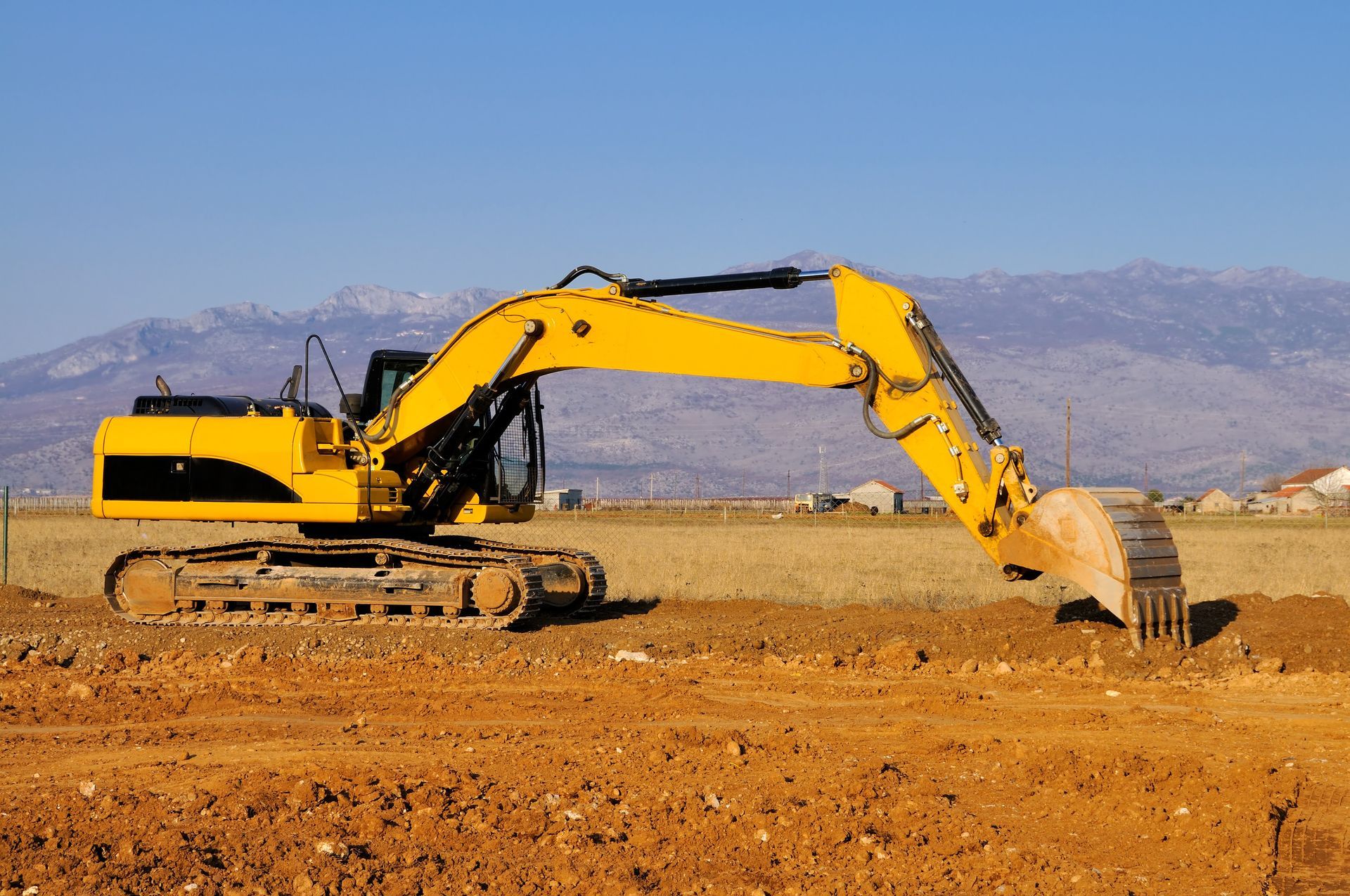
A loss of hydraulic power in an excavator can suddenly halt a job, erode productivity, and lead to costly downtime. Understanding the primary causes—fluid condition, component wear, system contamination, and control issues—helps owners prioritize diagnostics and communicate effectively with service technicians. Below are the most common reasons hydraulic power fades, how to recognize symptoms, and when to involve professional service.
What Causes Sudden Loss of Hydraulic Power in Excavators?
Sudden or progressive power loss usually stems from reduced system pressure or restricted flow. Key causes include worn pump components, internal valve leaks, and insufficient fluid volume. A slipping or failing hydraulic pump will not develop adequate pressure; internal leakage within control valves or actuators reduces force at the bucket or boom. Low fluid levels due to leaks or improper maintenance also cause cavitation and reduced performance. Symptoms to watch for include slow or weak actuator movement, erratic operation, and audible whining or cavitation from the pump area.
How Does Hydraulic Fluid Condition Affect Performance?
Contaminated or degraded fluid directly impairs system efficiency. Contaminants such as water, metal particles, and dirt increase wear and can clog fine control passages. Oxidized or thermally degraded oil loses lubricity and pressure-stable characteristics, increasing internal leakage and reducing component life. Viscosity that is out of specification due to incorrect fluid or temperature extremes can also restrict flow and pressure. Regular fluid analysis provides early warning signs; lab results showing elevated wear metals, water content, or viscosity deviation indicate imminent component issues.
What Are the Most Common Component Failures That Cause Power Loss?
- Hydraulic Pump Wear: Internal clearances increase with use, reducing maximum pressure and flow; symptoms include whining, heat, and slow cycle times.
- Control Valve Spools or Seats: Internal leaks around spool valves reduce actuator force and cause erratic movement; this may follow contamination or wear.
- Cylinder Rod or Seal Damage: External leaks reduce system volume, and internal seal wear causes bypassing, leading to weaker extension/retraction force.
- Relief Valve Maladjustment or Failure: A relief valve that is stuck or set too low releases pressure prematurely, making the system feel weak even with good pump output.
- Hoses and Fittings with Internal Collapse: Collapsed hose liners restrict flow under load, producing intermittent power loss and pressure spikes.
- Contamination in Filtration Elements: Blocked filters cause restricted flow to critical circuits, raising temperature and accelerating wear.
- Heat-Related Issues: Overheating breaks down fluid and increases internal leakage rates across pumps and valves.
When Should You Call a Professional Hydraulic Technician?
If you haven’t had a basic inspection (visual leaks, fluid level, filter change history) in a while, call a qualified technician. Professionals have pressure gauges, flow meters, and the experience to isolate pump, valve, or actuator problems. They can perform fluid analysis, measure pump output, and run diagnostic pressure tests that identify internal leakage or relief valve faults. Improper troubleshooting or incorrect DIY adjustments can worsen damage; relying on trained service personnel typically prevents mistakes and higher repair costs later.
How Can Owners Prepare for Faster Repair and Less Downtime?
Document machine hours, recent maintenance, and any unusual symptoms (noises, overheating, slow cycles). Keep records of fluid changes and filter replacements, and have serial/model numbers ready for parts ordering. While some minor maintenance is routine, remember that attempting advanced hydraulic repairs without proper tools and diagnostics often leads to misdiagnosis and increased expense. Prompt professional evaluation when symptoms begin will minimize downtime and protect the machine’s long-term value.
Is Your Excavator Losing Hydraulic Power in Illinois or Indiana?
If you manage a construction, mining, or other business in
Chicago,
Joliet,
Naperville, IL, or
Hammond, IN, and use an excavator that is not working correctly,
contact us at Miller Hydraulic. We’ve been servicing hydraulic systems in IL and IN since 1991, and Miller Hydraulic is the premier hydraulic service company in the area. When
hydraulic system issues arise, Miller Hydraulic can typically get to your location the same day. Check out our Google reviews
here!


